A Short Guide on Farm Water Tanks
A farm water tank serves as an above-ground storage solution crucial for farmers in preserving water essential for the prosperity of their business. Adequate water supply is indispensable for successful farming operations.
The repercussions of lacking access to water are severe, underscoring the importance of understanding the required water volume and installing a storage unit accordingly.
This blog sheds light on the significance of a farm water tank, outlining its benefits, and provides guidance on preventing algae growth on these tanks.

What is a Farm Water Tank?
A report from experts reveals staggering statistics, indicating that 50% of dairy farms, 98% of meat and wool production units, 70% of potato plantations, and 40% of vegetable farms rely on unregulated water for their production systems.
The study emphasizes the extensive use of water in all types of production units, underscoring the crucial need for farm owners to secure a consistent, year-round supply of water. water tanks for agriculture emerge as the solution to address this pressing issue.
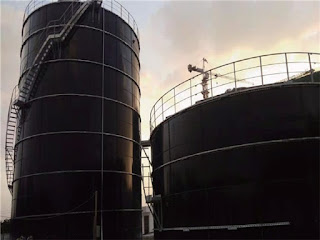
These field-erected tanks serve the vital function of storing water, guaranteeing a seamless supply whenever required.
Irrespective of the water source, farm water tanks are indispensable for ensuring a constant water supply, thereby maintaining production rates without disruption.
However, prior to installing such above-ground storage tanks, it's crucial to understand the specific water needs of your property.
This encompasses various uses such as watering livestock, irrigating crops, supporting aquaculture, facilitating processing, weed spraying, cleaning, and fire-fighting, among others.
Advantages of Installing Farm Water Tanks
Farm water tanks offer a multitude of benefits. Here are the top three advantages of installing these tanks:
1. Flood Prevention: Water tanks play a crucial role in reducing flooding by providing storage for excess water. This helps prevent inundation when the water table reaches capacity, ensuring effective water management on your farm.
2. Emergency Water Supply: Installing a water storage tank guarantees a reliable water source during emergencies, such as droughts or water shortages. This ensures uninterrupted water supply for your farm operations, even in challenging conditions.
3. Irrigation Support: Adequate water supply is essential for crop irrigation, especially during dry spells or in areas with limited water sources. Farm water tanks ensure a continuous supply of water, facilitating efficient irrigation practices and preserving crop health and quality around the clock.
Steps to Prevent Algae Growth in Farm Water Tanks
Maintaining a clear and algae-free environment in your farm water tank is crucial. Here are three proven techniques to prevent algae growth:
1. Add Sulfate: A mixture of copper and zinc sulfate has long been recognized as an effective algae prevention agent. When applied in sufficient quantities, it can successfully inhibit algae growth in your farm water tank.
2. Utilize Barley Straw: According to a study conducted by U.K. researchers, incorporating barley straw into the water serves as an effective method for preventing algae growth. As the barley straw decomposes, it deoxygenates the water, creating an unfavorable environment for algae.
3. Introduce a Small Amount of Bleach: Adding a minimal amount of bleach to water doesn't compromise the taste but significantly hinders algae growth. Approximately 2 to 3 ounces of bleach per 50 gallons of water can effectively prevent algae development.
We hope this comprehensive guide on farm water tanks proves valuable. Share your thoughts in the comments if you'd like more information on these tanks. Additionally, let us know if you're already utilizing these preventive measures or if you plan to install a farm water tank in the near future.


评论
发表评论